
Buddhist History Guides
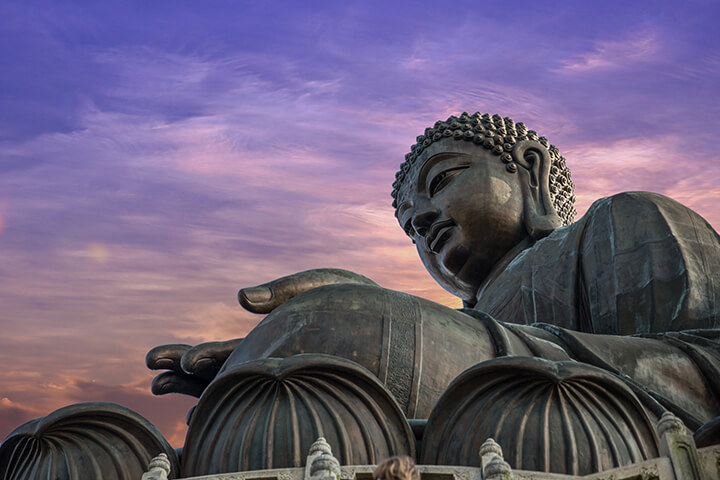
by Rebecca Hazell The Buddha is well known in popular culture. He is seen as wise, benign, friendly, and peaceful. You can find commercialized representations of him in images ranging from good luck Ho Tai figures to garden statues of him sitting and typing on a laptop. Imagine what a ruckus would ensue if Jesus
Continue Reading >> 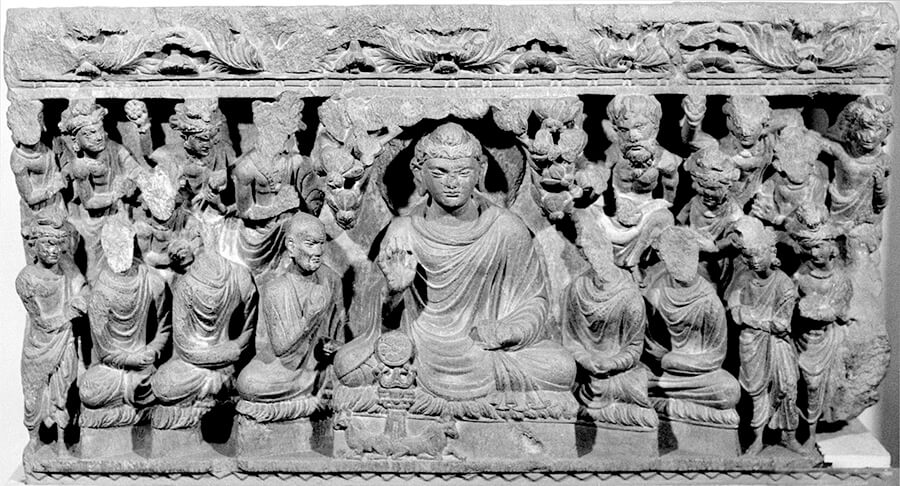
One of the commonalities of the many traditions within Buddhism is the centrality of the messages in the Buddha’s very first teaching in Sarnath, shortly after attaining enlightenment in Bodhgaya. Prior to that, however, still in Bodhgaya, he initiated his first male disciples, the merchant traders Trapusa and Bhallika who had kindly offered him his
Continue Reading >> 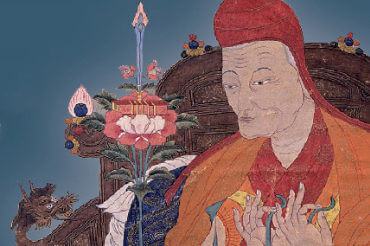
Jamgön Kongtrul Lodrö Taye A Guide for Readers Jamgön Kongtrul Lodrö Taye (1813–1900) was a versatile and prolific scholar and one of the most outstanding writers and teachers of his time in Tibet. He was a pivotal figure in eastern Tibet’s nonsectarian movement and made major contributions to education, politics, and medicine. Jump to: Books
Continue Reading >> 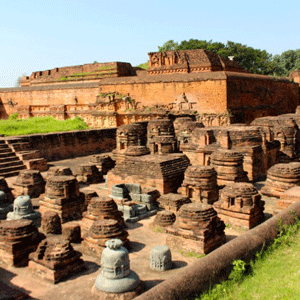
The Nalanda Tradition This entry to the Great Masters series kicks off a series within a series that looks at the great Buddhist center of learning at Nalanda in India and what are known as the Seventeen Panditas of Nalanda, a grouping conceived by His Holiness the Dalai Lama as they are the core group
Continue Reading >> 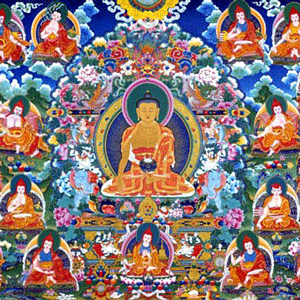
Image from http://www.rigpashedra.org/ His Holiness the Dalai Lama has often said that Tibetan Buddhism is none other than the Buddhism of India in the tradition of Nalanda, the great center of Buddhist learning that was located in present-day Bihar, India. Many of the greatest masters and scholars in Indian Buddhism resided-and often presided-at this
Continue Reading >> 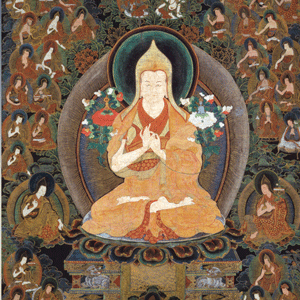
From Butön's History of Buddhism in India and Its Spread to Tibet Four hundred years after the Buddha passed away, in the southern country of Vidarbha, there lived a prosperous Brahmin who was childless. In a dream, gods foretold that if he invited one hundred Brahmins to a religious festival, a son would be born
Continue Reading >> 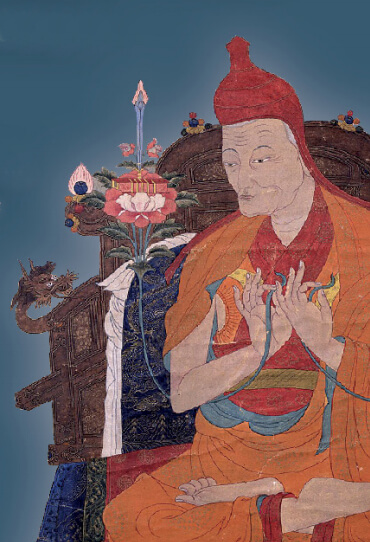
The History of the Treasury of Precious Instructions The following excerpt on The Treasury of Precious Instructions is from Ringu Tulku’s The Ri-me Philosophy of Jamgön Kongtrul the Great. This excerpt is part of the Guide to The Treasury of Precious Instructions Use the navigation menu above to explore each page and discover this truly remarkable and
Continue Reading >> A Resource Guide for The Way of the Bodhisattva* We are pleased to share the following resources for the Bodhicharyavatara, or The Way of the Bodhisattva. Readers Guide - A guide to the many translations, commentaries, and deep dives into specific chapters published by Shambhala Publications and others. A Brief History - A very brief history of this
Continue Reading >> 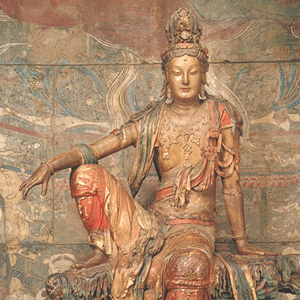
The Story Behind the Bodhicharyavatara The text with the Sanskrit title Bodhicharyavatara (shortened from the longer Bodhisattvacharyavatara)—usually known in English as either The Way of the Bodhisattva or A Guide to the Bodhisattva’s Way of Life—is by far the best-known work attributed to the eighth-century Indian monk Shantideva. It would be impossible to adequately summarize its importance and impact in
Continue Reading >>