
Japanese Zen Guides
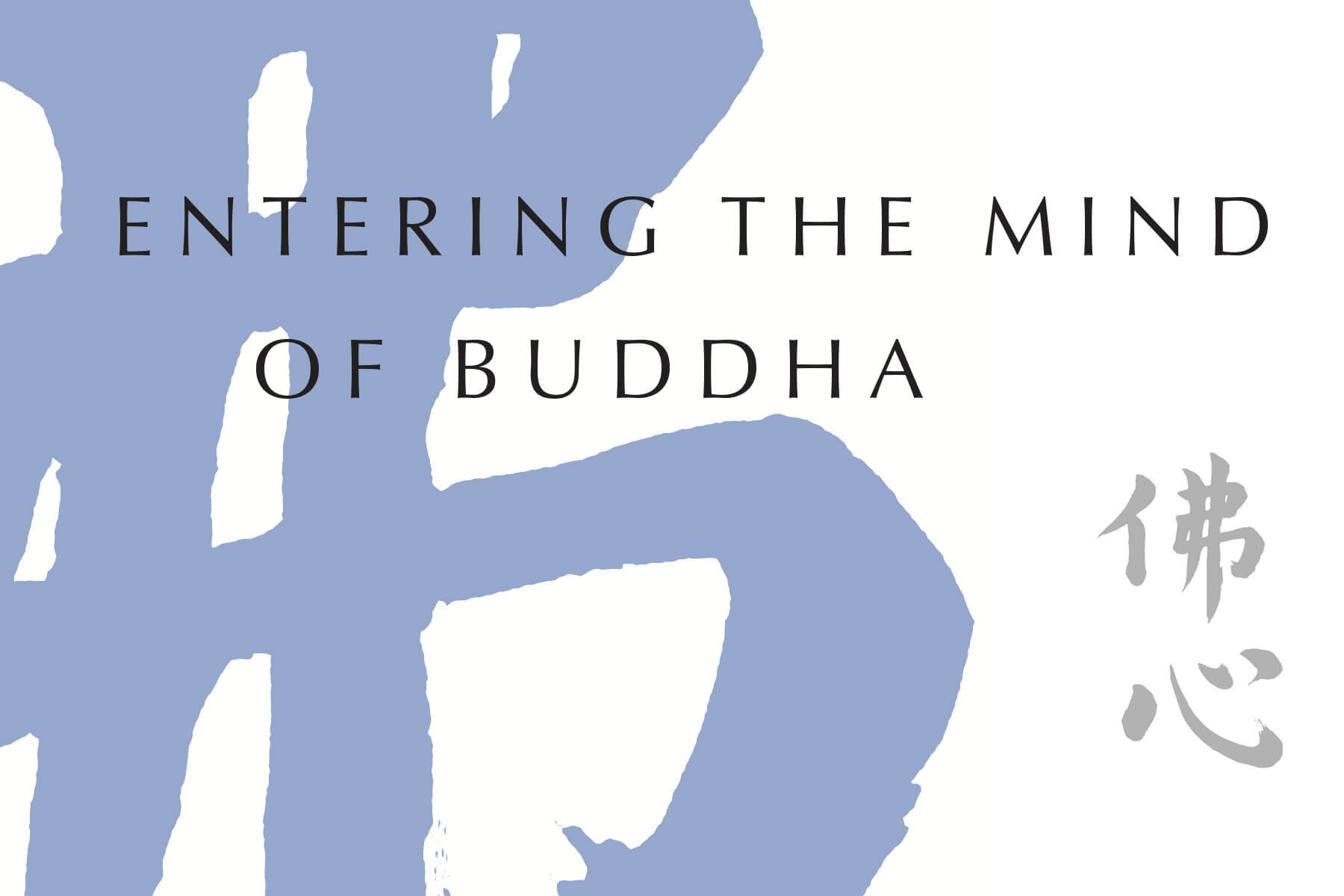
Radiant Presence An excerpt from Entering the Mind of Buddha Buddhas are sitting in the midst of fierce flames, turning the wheel of dharma. A ring of fire surrounds every buddha’s meditation seat. Buddhas sit at the center of the suffering of all beings, and they have developed the capacity to be open to boundless suffering.
Continue Reading >> 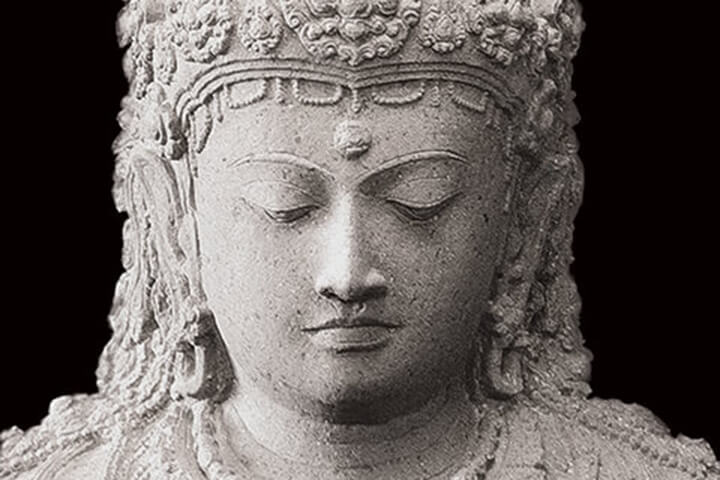
The Six Paramitas Learn More The Six Paramitas, or "Perfections," are a fundamental set of teachings for Mahayahana Buddhism Statue of Bodhisattva Guan Yin (Avalokiteshvara) The six paramitas, or transcendent perfections, are an essential concept in the practice of Mahayana Buddhism. They are so fundamental in fact that the “Vehicle of the Perfections” is a
Continue Reading >> 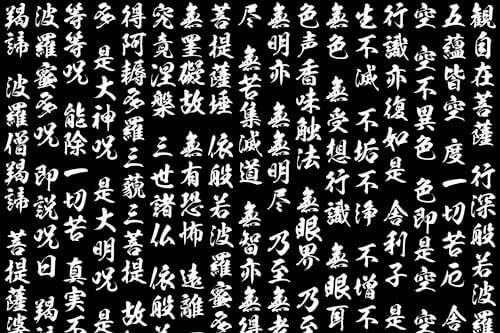
The Heart Sutra: A Reader's Guide This is part of a series of articles on the arc of Zen thought, practice, and history, as presented in The Circle of the Way: A Concise History of Zen from the Buddha to the Modern World. You can start at the beginning of this series or
Continue Reading >> 
The Essence of Art An excerpt from The Book of Tea By Kakuzo Okakura Related Books The Book of Tea$14.95 - PaperbackBy: Sam Hamill & Kakuzo Okakura Add to Cart4 reviews on Amazon The Book of Tea$12.95 - PaperbackBy: Kakuzo Okakura Add to Cart Striving to Become Art Itself In religion the future is behind us.
Continue Reading >> 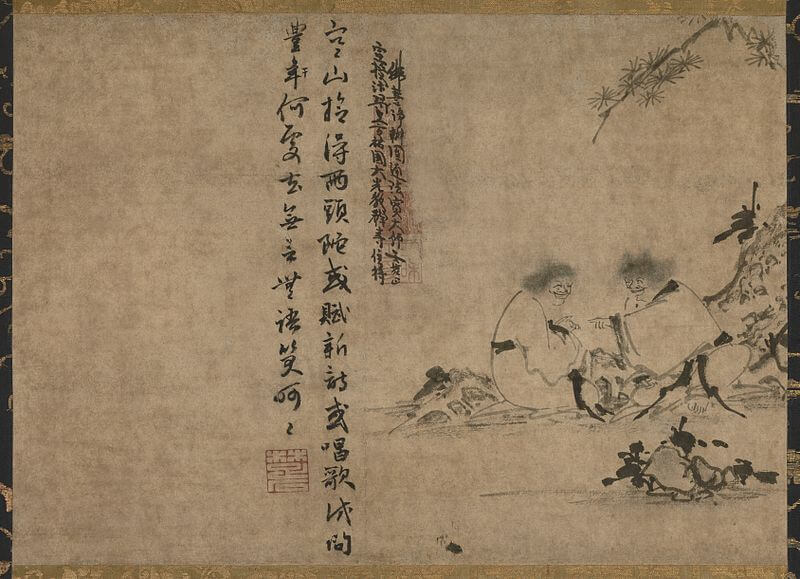
Buddhist Poetry: A Reader Guide Read More Shambhala Publications publishes numerous books of Buddhist poetry, and we’ve gathered some of our favorites here. Jump to sections on this page: Recent Releases | Chan and Zen Poetry | Indian Poetry | Tibetan Poetry | Southeast Asian Poetry | Contemporary Buddhist Poetry Related Books and Articles Recent
Continue Reading >> 
Single White Monk by Shozan Jack Haubner is a prescient book—not only for its teachings, which are deeply rooted in real-life stories and the humble wisdom that comes from making mistakes and learning to face them, but for its lack of pretension around issues involving sexual abuse and all the opinions, hurt, and life-changing consequences that
Continue Reading >> 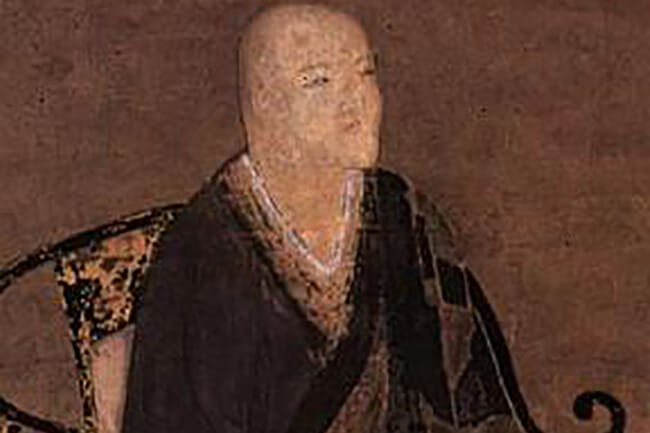
A Walk with Dogen into Our Time
In 1954 poet Allen Ginsberg wrote a poem called “Song” that acknowledges the weight of our human circumstance and suffering in a particular and somewhat unusual way. I believe it may also provide a gateway to the following writings by Zen master Eihei Dogen, who addressed the nature of reality as he came to understand the world of people and things through his lifetime practice of Zen.
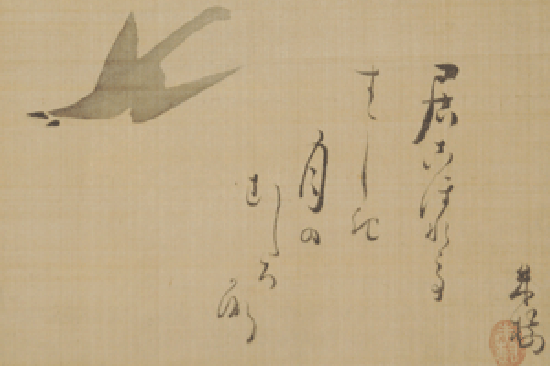
Also see our Reader's Guide to Buddhist Poetry. Many know haiku as a three-line poem, the first and last lines five syllables long, and the second line, seven. But there is much more to what defines haiku, elements more subtle than prescribed syllable counts or line breaks. In fact, Japanese haiku are typically written in
Continue Reading >> 
One of the greatest joys for me as an editor at Shambhala Publications is when I work on books by people I have long admired. This was most definitely the case when Shambhala had the good fortune to become William Scott Wilson’s publisher several years ago. I first encountered his work when I was a
Continue Reading >> 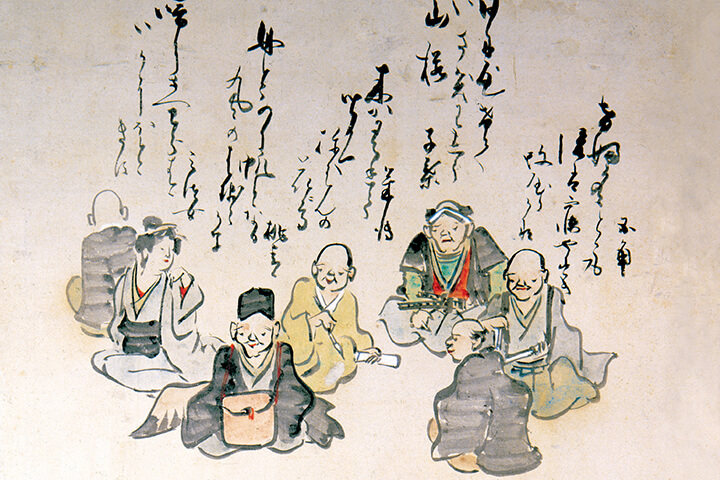
From the introduction to The Art of Haiku: Its History through Poems and Paintings by Japanese Masters This book will trace the history of Japanese haiku, including the poetic traditions from which it was born, primarily through the work of leading masters such as Basho, Buson, Issa, and Shiki, along with a number of other fine poets.
Continue Reading >>